History
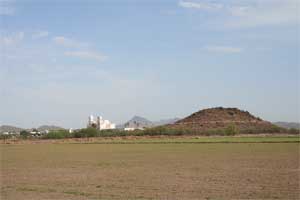
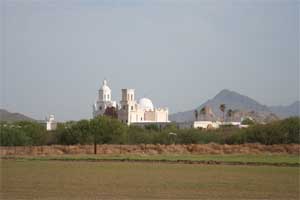
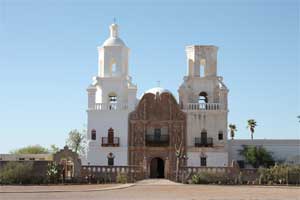
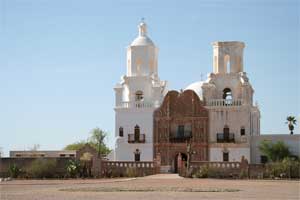
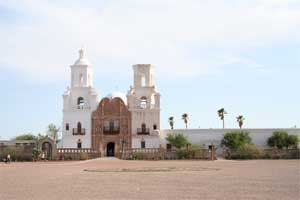
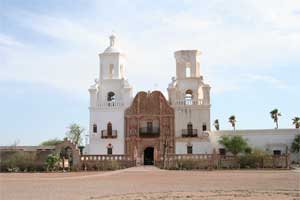
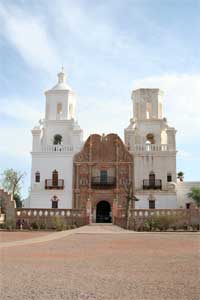
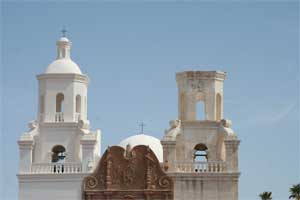
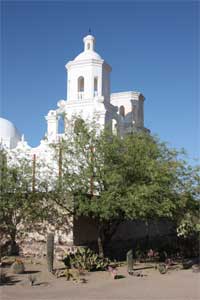
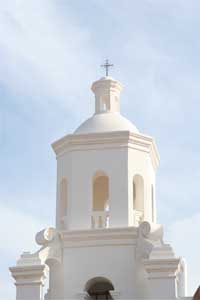
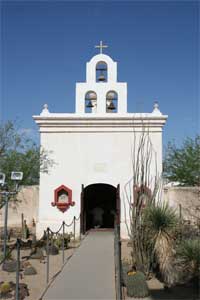
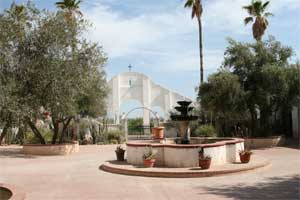
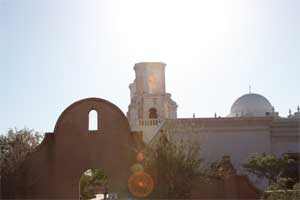
"White Dove of the Desert" for its brilliant white color,
Southern Arizona into Northern Mexico. The Spanish called this stretch of desert and mountains the Pimeria Alta.
Jesuit missionary-explorer, Father Eusebio Francisco Kino, founded these Spanish missions during his travels in the region, from 1683 to 1711,
Father Kino arrived in the Tohono O'odham village of Wa:k ('Bac'), which is one of the largest, continuously inhabited settlements in the Americas, in 1692.
nearby Santa Cruz River
Kino founded a mission at Wa:k and began building a church in 1700.
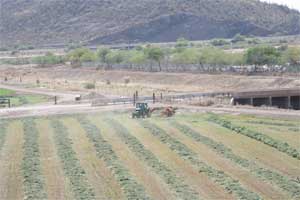
growing corn, squash and beans
However, he died in 1711, leaving only the church foundation complete.
After the Jesuits were expelled from New Spain in 1767, the Franciscans took over responsibility of the missions.
began construction of the present church in 1783.
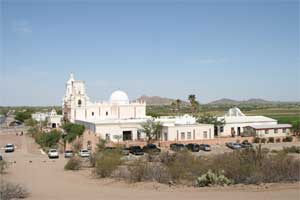
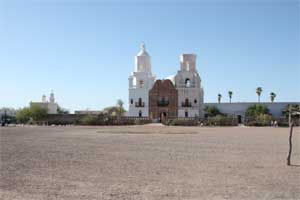
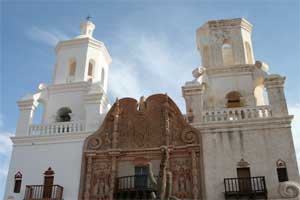
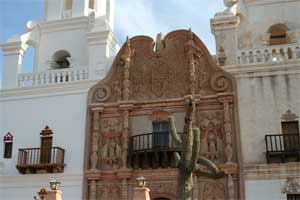
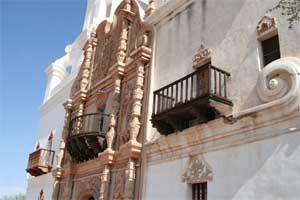
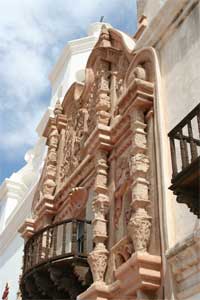
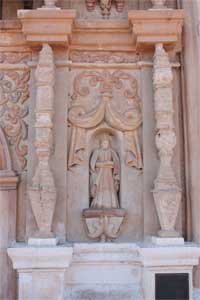
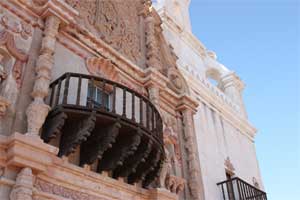
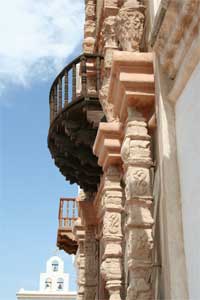
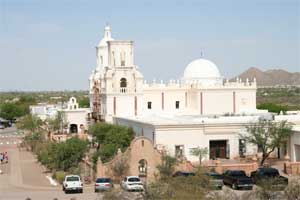
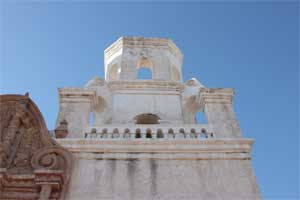
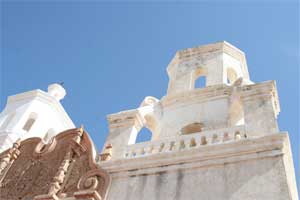
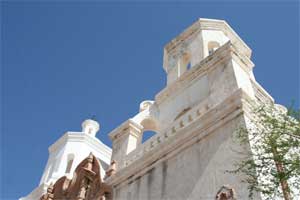
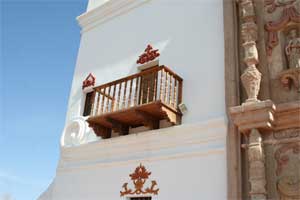
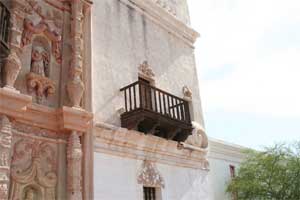
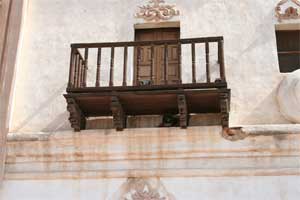
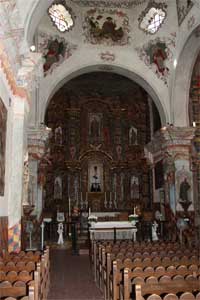
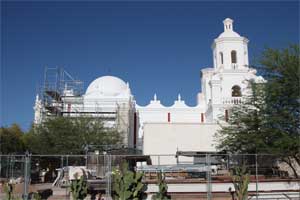
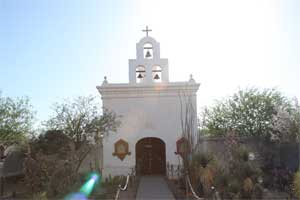
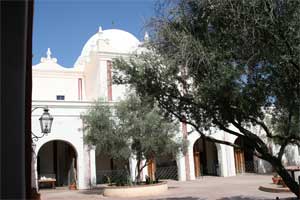
San Xavier Mission is considered to be the finest example of Spanish mission architecture in the United States. Spanish, Moorish and Mexican Baroque design.
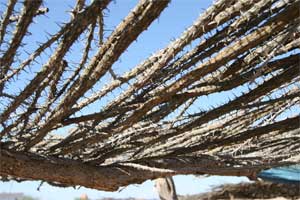
adobe block coated with a plaster of lime, local sand and cactus juice.
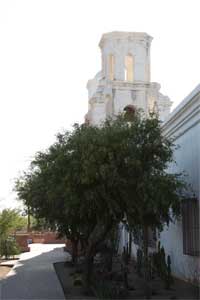
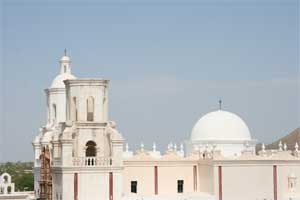
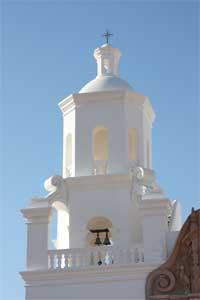
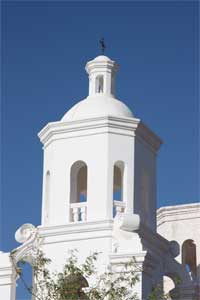
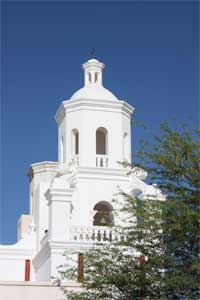
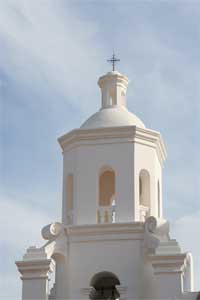
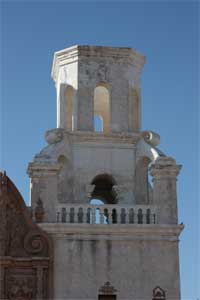
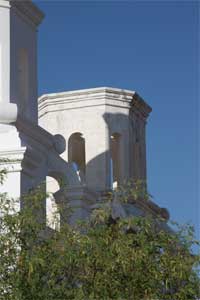
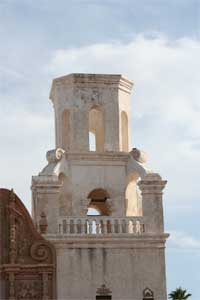
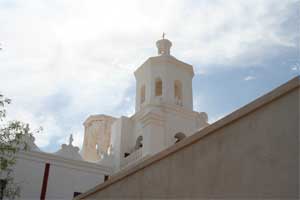
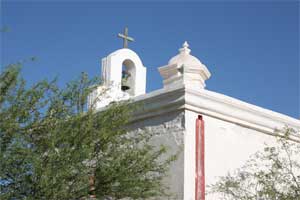
two bell towers, only one tower was completed. Why it was not finished remains a mystery
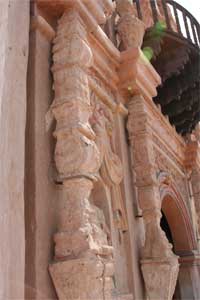
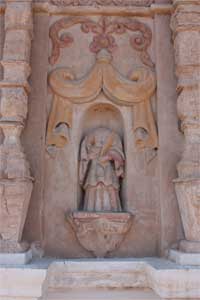
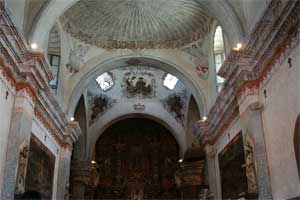
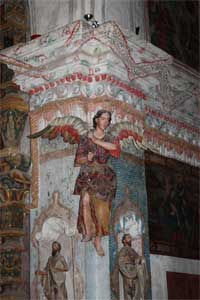
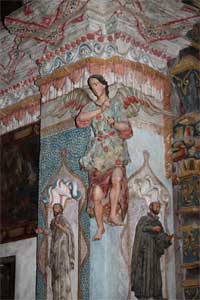
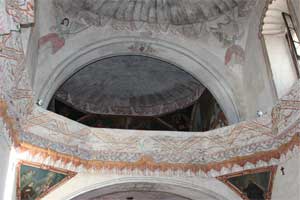
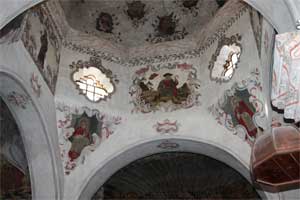
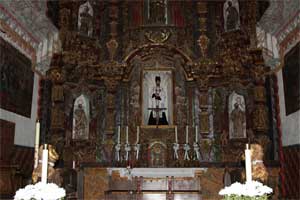
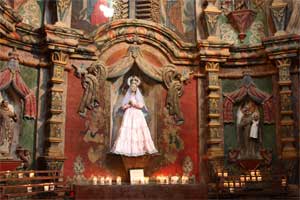
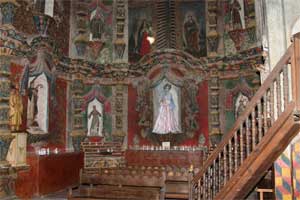
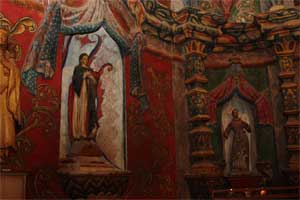
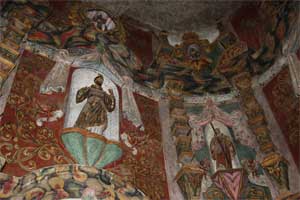
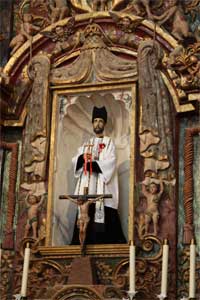
close to 300 painted or sculpted angels, more than 100 images of saints and over a dozen representations of Santa Maria, mother of Christ.
San Xavier Mission is still a fully functioning parish church and is still administered by the Franciscan friars.
Constructed 1783-1797 by Tohono O'odham under Franciscan and Spanish direction.
Restoration:
The non-profit, non-sectarian corporation, the Patronato San Xavier raised funding for a major restoration of this most beautiful mission beginning 1989.
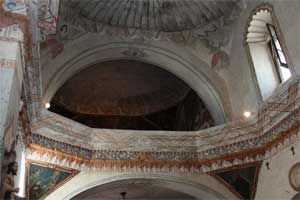
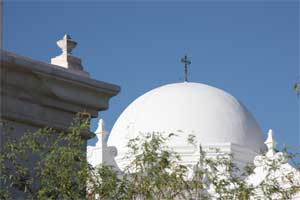
Beginning in 1989 the brick vaulted roof was refinished with a breathing plaster skin of lime, sand, and nopal cactus mucilage.
From 1992 to 1997 an international team of art conservators cleaned and stabilized the original Spanish Colonial mural paintings and statues in the interior.
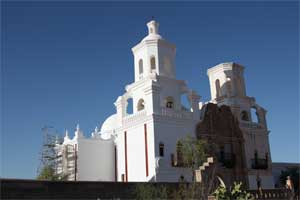
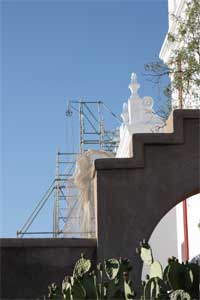
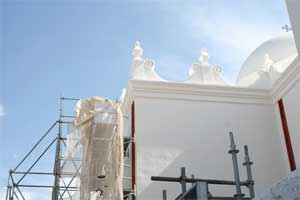
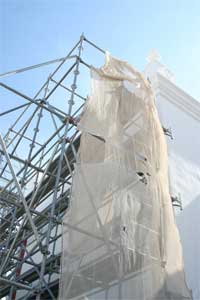
Restoration moved outside and underground. Drains were added and bricks were replaced. The exterior cement stucco that had been added earlier, and not the best material for adobe walls, was removed and repalced with a plaster of lime, sand, and cactus mucilage that allows moisture to excape from the adobe.
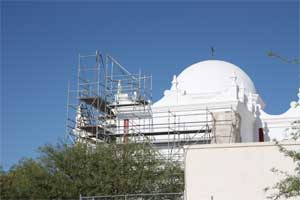
Each tower will cost about $1.3 million and take two years.
When this author first visited in 2009, one tower was complete and restoration was about to begin on the second as work progressed on the northwest corner.
Donations can be sent to :
Patronato San Xavier
P.O. Box 522,
Tucson, AZ 85702
|